Nederlands
 Español
 Русский
 Français
 中文
中文
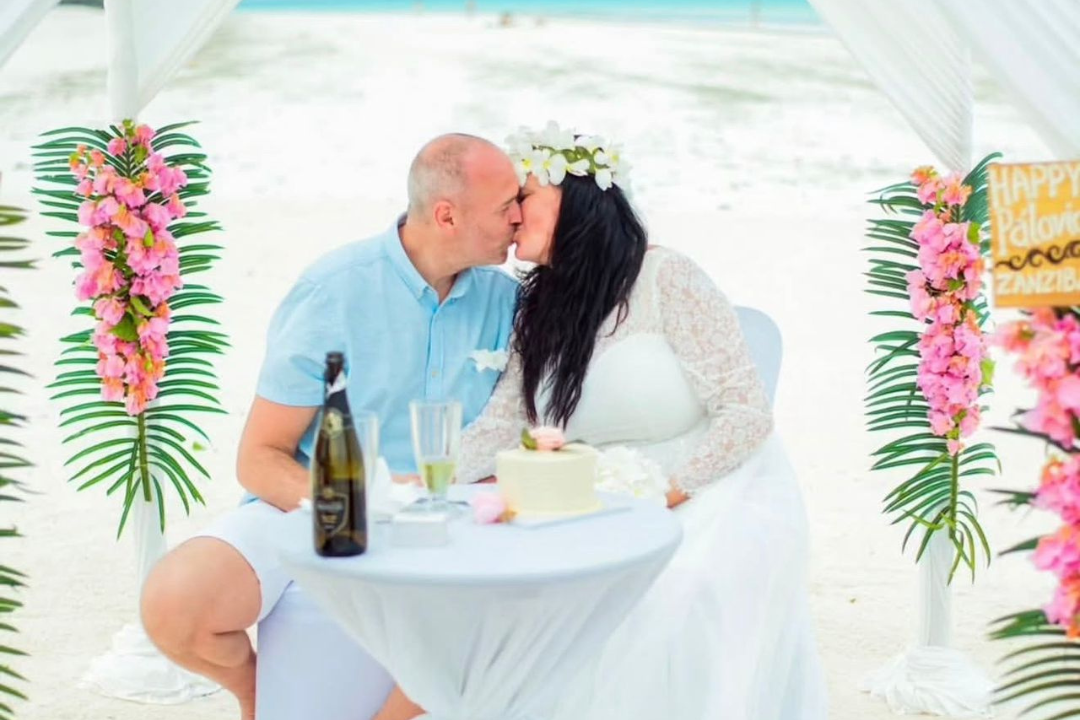
The Complete Guide to Safari Wedding Photography in Tanzania — What Photographers Need to Know (2026 Edition)
Tanzania is one of the most spectacular wedding destinations in the world — golden savannahs, dramatic sunsets, big cats roaming the plains, and luxury lodges that feel like dreamland. For photographers, this is a once-in-a-lifetime portfolio opportunity. For couples, these are the most important memories of their lives.
But photographing a wedding inside national parks like Serengeti, Ngorongoro, Tarangire, or Lake Manyara is unlike shooting anywhere else in the world. The rules are strict. The light is challenging. The landscapes are huge. The wildlife is wild. And the legal requirements are very real.
This guide explains everything photographers and couples MUST know — permits, fees, drones, park rules, best times of day, recommended gear, how to move safely, and what to expect when shooting a safari wedding.
This is the most accurate, updated, and professional guide available online.
Can You Bring Your Own Photographer to Tanzania? — YES, But There Are Rules
Short answer: Yes, absolutely.
But Tanzania treats any external photographer as a commercial crew member, even if they are photographing a private wedding. That means they must follow the same rules as documentary, tourism, and media film crews.
This includes permits, daily park fees, restricted areas, and mandatory escorts in some parks.
To avoid delays at the park gate, couples should always work with a Tanzania-based planner who handles all approvals.
Do Photographers Need a Permit to Shoot in Tanzanian National Parks? — YES
And here is where the biggest mistakes happen.
Inside Tanzania’s national parks, all professional photography and videography is regulated, even if it’s only one wedding day.
Below is the updated and correct legal information with verified cost estimates, now inserted into your blog:
Planning a wedding in Tanzania’s iconic safari locations requires more than just creative vision—it demands careful attention to local regulations, permits, and logistical details.
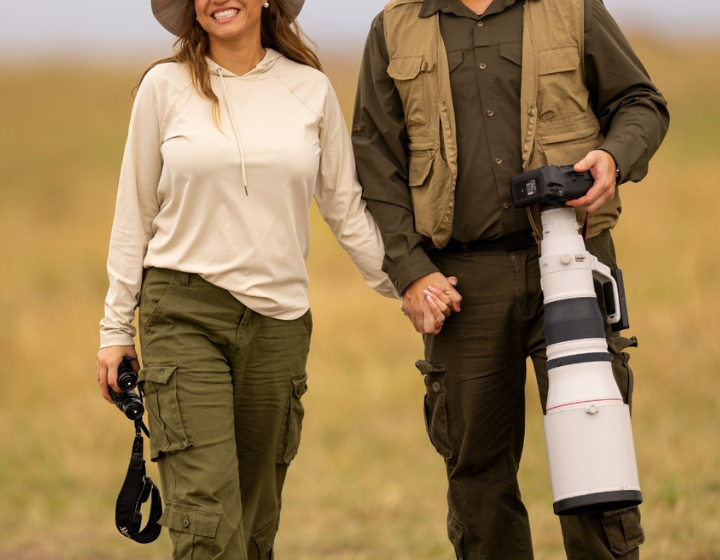
A. A Special Photography Permit May Be Required (Updated With Official Costs)
This is the single most important part of planning a safari wedding with a professional photographer or videographer. Inside Tanzania’s national parks, any photographer hired for commercial purposes is classified as a Commercial Filming Crew — even if they are shooting a private wedding.
Because of this, two different government permits are mandatory, and both must be arranged before arrival.
1. Tanzania Film Board (TFB) Permit — The Application Fee
This is the national-level filming license required for any professional shoot inside Tanzania.
- Standard Processing (4–5 weeks): $1,000 USD
- Fast-Track Processing (≈ 7 working days): $3,000 USD
This fee must be paid before TANAPA/NCAA can issue location permissions.
2. TANAPA / NCAA Daily Filming Fee — The Location Fee
This fee applies per crew member, per day, and varies by park:
- Serengeti National Park & Ngorongoro Conservation Area:
≈ $300 USD per person, per day (plus VAT) - Tarangire & Lake Manyara:
≈ $250 USD per person, per day (plus VAT)
This covers the legal right to film inside the protected area but does not include accommodation, visas, or special vehicle fees.
What This Means for Couples
For a 3-day destination safari wedding with a photographer and assistant, permit fees alone easily begin from $2,800+ USD, excluding accommodation and flights.
This is why specialist planners (like Cube Nation Tanzania) manage the full permit process—mistakes can prevent a photographer from entering the park.
The Best Time of Day for Safari Wedding Photography
Sunlight in Tanzania changes fast.
Here’s what professionals must know:
Golden Hour Arrives Earlier
Expect the perfect glow around:
- 06:30–07:30 (sunrise)
- 17:30–18:30 (sunset)
The sun becomes harsh quickly, so sunset shoots should begin before 17:00.
Midday Light Is Harsh
Photographers must use:
- ND filters
- Reflectors
- Diffusers
- Shade from safari vehicles
- Correct skin-tone exposure for dark and golden complexions
Dust = Magic
Backlit dust from safari jeeps creates extraordinary golden halos.
5. Notice of Intention to Marry (21 Days Rule)
Tanzania requires couples to file a Notice of Intention to Marry, which must be displayed for 21 days before the registrar can issue a marriage license.
BUT here’s the luxury solution:
Fast-Track Marriage License
Foreigners can apply for a special license that bypasses the 21-day notice.
This is ideal for destination weddings.
Cube Nation Tanzania handles:
- Filing the application
- Supporting letters
- Registrar appointments
- All follow-ups
Fast-track approval usually takes 1–3 working days.
Camera Gear Every Safari Wedding Photographer Should Bring
Because you cannot “run back to the studio,” gear preparation matters.
Recommended Lenses
- 70–200mm f/2.8: wildlife in the background
- 24–70mm f/2.8: portraits + ceremony
- 16–35mm: landscapes + mandap shots
- 85mm prime: dreamy couple portraits
Other Essentials
- 2 camera bodies
- Plenty of backup batteries
- External SSDs
- UV and ND filters
- Rain covers
- Air blowers (dust!)
Drones: heavily restricted — see Section below
How Close Can You Get to Wildlife? (The Safety Truth)
Photographers must follow:
- 100 meters minimum distance from predators
- No leaving the vehicle except at approved sites
- No baiting or calling animals
- No blocking wildlife paths
Rangers may escort you during low-light shoots.
Serengeti Wedding Photography Rules (VERY IMPORTANT)
These rules are strictly enforced:
No Flash Near Wildlife
Flash can disturb animals.
No Artificial Noise
Speakers, loud music, and drumming are prohibited.
No Movement After Dark
Park curfew begins around 19:00 depending on season.
Tripods Allowed — But Only Near Lodge Areas
In open bush settings, rangers must approve.
Drones Require a Separate Permit
Drone Laws for Wedding Photographers in Tanzania
Drones are highly regulated:
To fly legally, photographers need:
- Tanzania Civil Aviation Authority (TCAA) permit
- Tanzania Film Board (TFB) filming permit
- TANAPA/NCAA drone approval
- Licensed local drone pilot (strongly preferred)
Cost Summary
- Drone filming fees inside parks: Extremely high
- Some lodges outright ban drones
Warning: Unauthorized drone use can lead to confiscation or fines.
Final Takeaway — Tanzania Is a Dream, But You Must Plan It Properly
Safari weddings are breathtaking.
But they are also regulated, technical, and require respect for the land and wildlife.
A photographer who understands the terrain, light, rules, and permit process will produce images unlike anything else on Earth.
For couples, hiring planners and photographers who specialize in Tanzania is the difference between:
stressful risk
and
a seamless luxury celebration in the wild.
Recent Posts